
Carbon-Smart Farmland: How Agricultural Land Is Becoming a Climate Asset
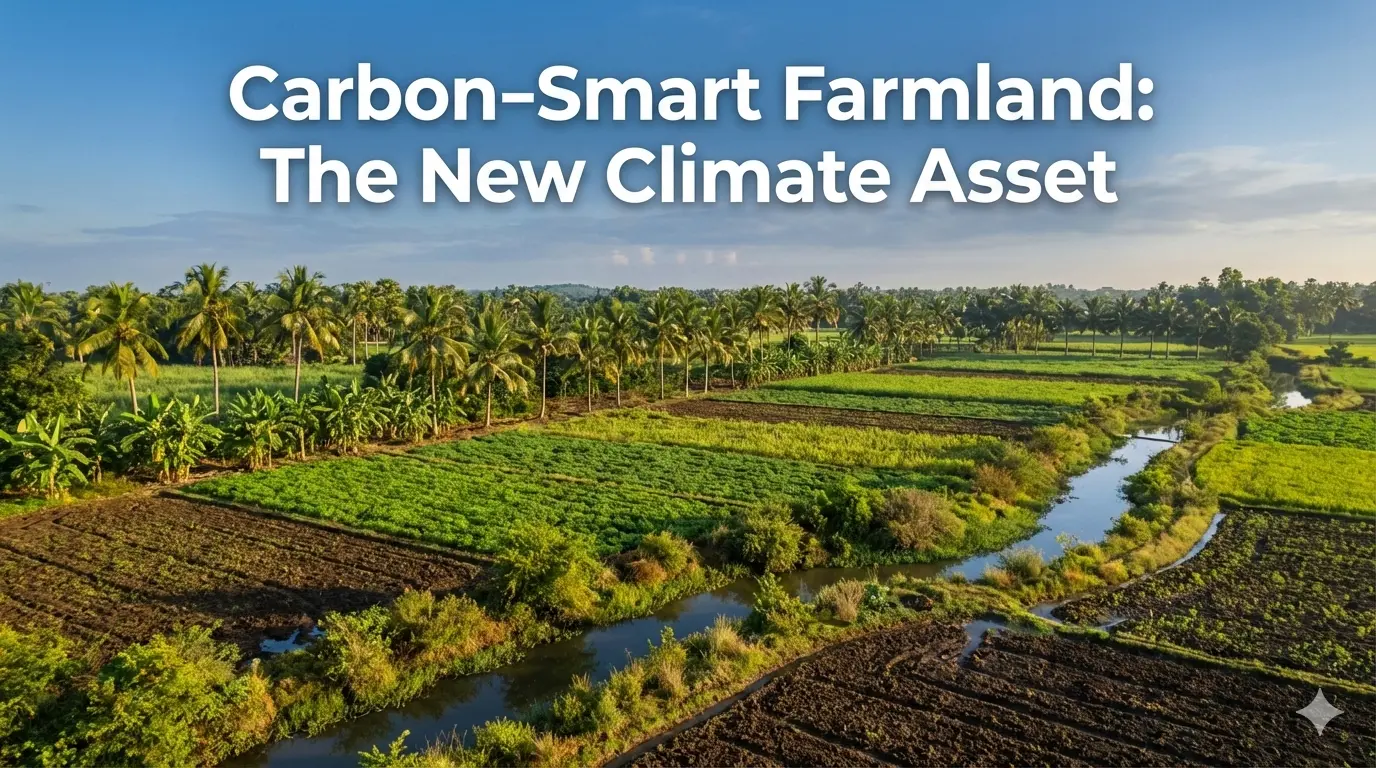
What Is Carbon-Smart Farmland?
Carbon-smart farmland uses practices that:
- Improve soil health
- Capture and store carbon naturally
- Reduce chemical dependency
- Increase long-term productivity
Healthy soil doesn’t just grow better crops—it stores carbon, making land environmentally and economically stronger.
Why This Matters in 2026
Governments, corporations, and global funds are focusing on:
- Carbon neutrality goals
- Sustainable land use
- Green asset portfolios
Farmland that follows sustainable practices is gaining attention because it aligns with future environmental regulations and incentives.
Soil Health = Long-Term Value
Carbon-rich soil offers:
- Better moisture retention
- Higher fertility
- Lower erosion risk
- More resilient crops during extreme weather
Over time, this makes the land more productive and less risky—key factors for serious investors.
Rising Demand from Conscious Buyers
Today’s buyers are changing. Many want:
- Ethical investments
- Long-term environmental impact
- Assets aligned with sustainability goals
Carbon-smart farmland fits perfectly into this mindset.
Managed Farmland and Carbon Practices
Professionally managed farmland often:
- Uses organic inputs
- Avoids over-farming
- Encourages mixed plantations and tree cover
These practices naturally support carbon storage while ensuring steady land performance.
Is This the Future of Farmland Investing?
While traditional farmland focuses on location and price, carbon-smart farmland adds a future-ready advantage. It may not show instant returns—but it builds strength, resilience, and relevance over time.
Conclusion
Farmland is evolving. In the coming years, land that supports the planet will also protect your investment.
Carbon-smart farmland isn’t a trend—it’s a transition.
The future of land isn’t just owned. It’s responsibly grown.